Referee HQ
For the Player Who Also Referees
A lot of youth referees are teenagers who play too. Referee HQ is their corner of Spatrian: the steps to a youth referee license, practice on the Laws of the Game, a watch and a game card for match day, a log of every game they work, and a one-page referee résumé for the next league. It sits inside the player’s own sign-in, for players aged 13 to 18 — school, club or homeschool.
- Laws
- 17Laws to practise, one at a time
- Signals
- 19signals, painted
- Restarts
- 8restarts in the Mechanics Lab
- Badges
- 14badges from your own record
Getting licensed
Six steps, each linked out to U.S. Soccer’s Learning Center, where the license actually comes from. U.S. Soccer’s entry Referee license is open from 13; some states start at 14, or give younger referees recreational games only.
Fees, course dates and your state’s own rules belong to your state referee committee, so the page points you there rather than guessing. Every source is listed, and marked as read or found through search.
Save the license and its expiry, and a reminder comes from 60 days before it runs out: on the bell, in the Monday email, on the phone and in the family calendar.
- Check you are old enough for your state’s program.
- Make a profile in the U.S. Soccer Learning Center.
- Do the online course.
- Go to the in-person session.
- Wear the badge once the license comes through.
- Get your first games from a league’s assignor.
Practice on the Laws
A referee is only as good as their reading of the Laws, so the Laws are where most of the practice is. Every answer cites the Law that settles it.
All seventeen Laws sit on one board, each showing how much of it you got right last time. The three weakest are marked, any one can be practised on its own, and a question you got wrong comes back a couple of days later until it sticks.
- 1The Field of Play
- 2The Ball
- 3The Players
- 4The Players' Equipment
- 5The Referee
- 6The Other Match Officials
- 7The Duration of the Match
- 8The Start and Restart of Play
- 9The Ball In and Out of Play
- 10Determining the Outcome
- 11Offside
- 12Fouls and Misconduct
- 13Free Kicks
- 14The Penalty Kick
- 15The Throw-in
- 16The Goal Kick
- 17The Corner Kick
An example board, part-way through a season.
This season’s changes
What changed in the Laws this season that reaches a youth game, each linked to its Law, with a practice game on just those changes.
Small-sided games
The rules most young referees actually work under: the build-out line, no offside before U-9, no punts. A quiz of its own cites U.S. Soccer’s standards, not a Law.
Futsal Laws
For a referee who works futsal too: a quiz on FIFA’s Futsal Laws (flying substitutions, accumulated fouls, the kick-in), each answer cited, and the Futsal Bench for the clock and the fouls.
Know the Laws and You Make the Call
Two of the Games modes: cited questions on every Law, and incidents read aloud for you to judge.
The referee’s own drills
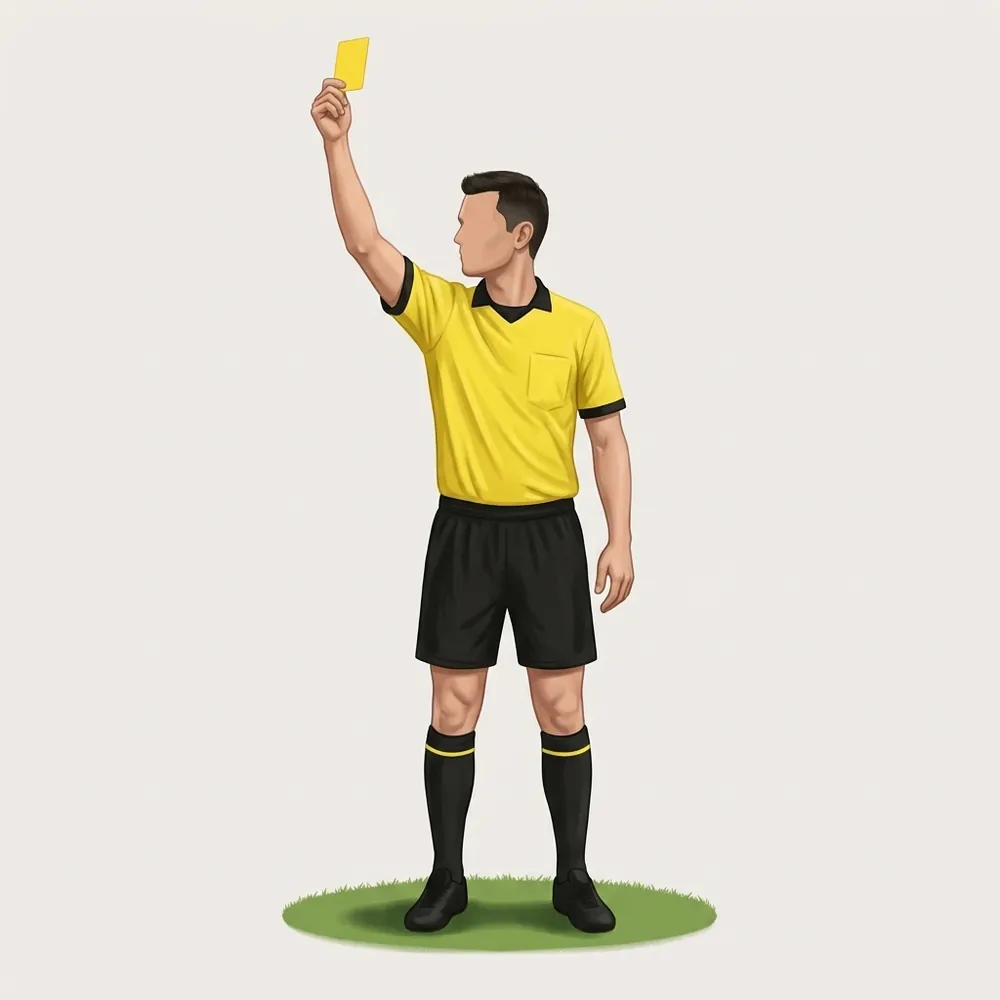
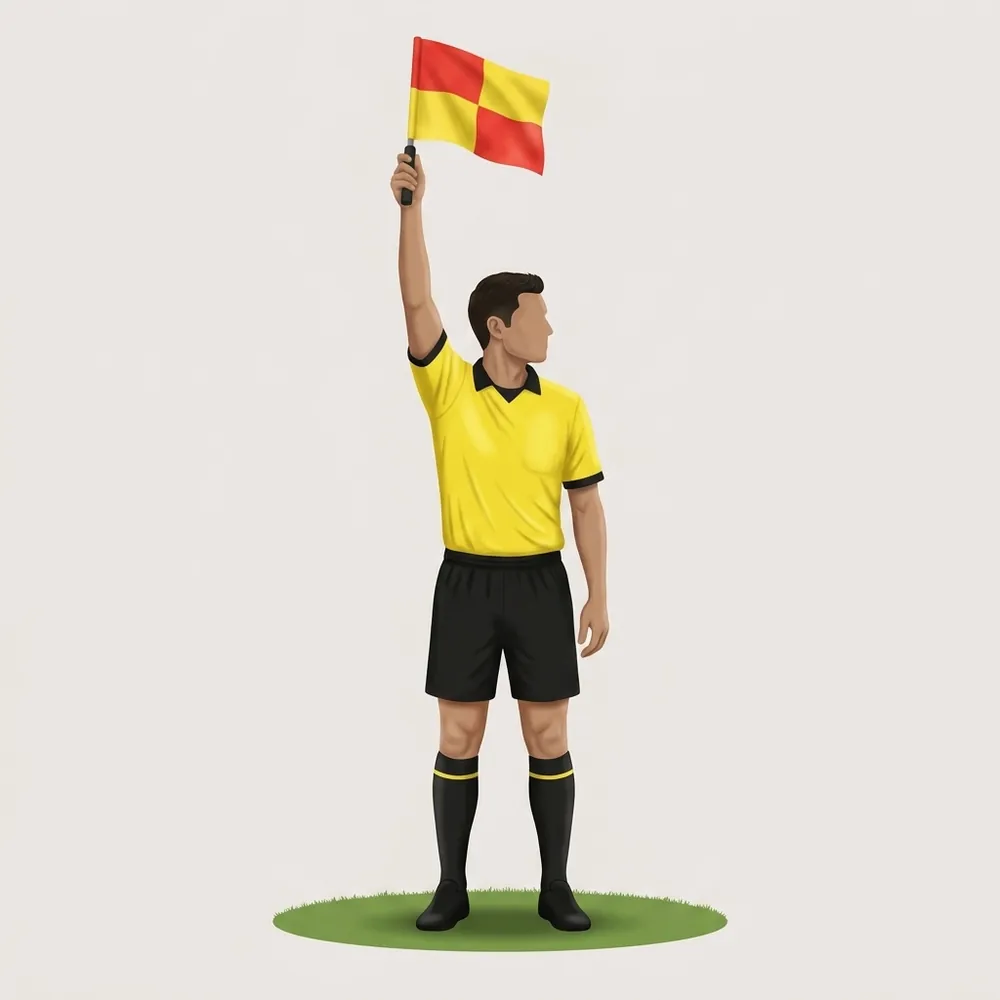
Name the signal, then show it: nineteen of them, painted and checked against the IFAB’s own graphics. Eight of them are below.
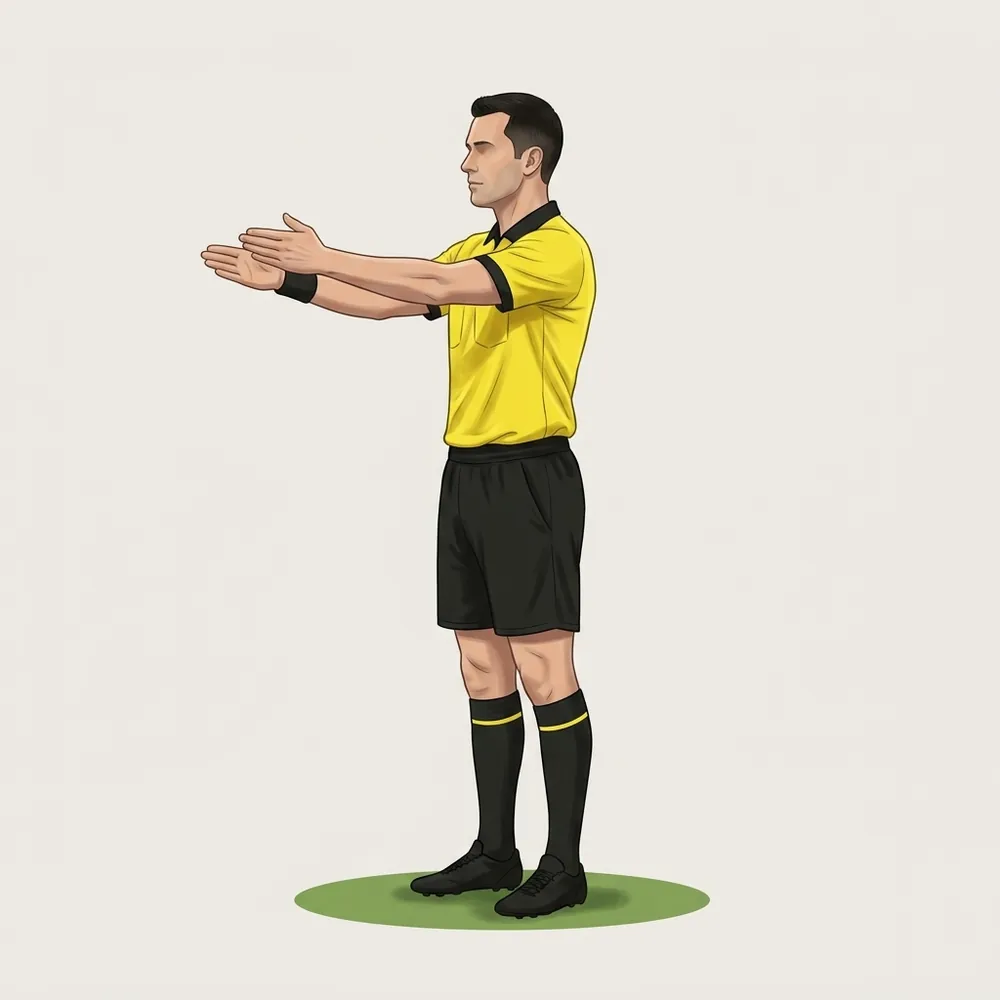
AdvantageReferee CautionReferee 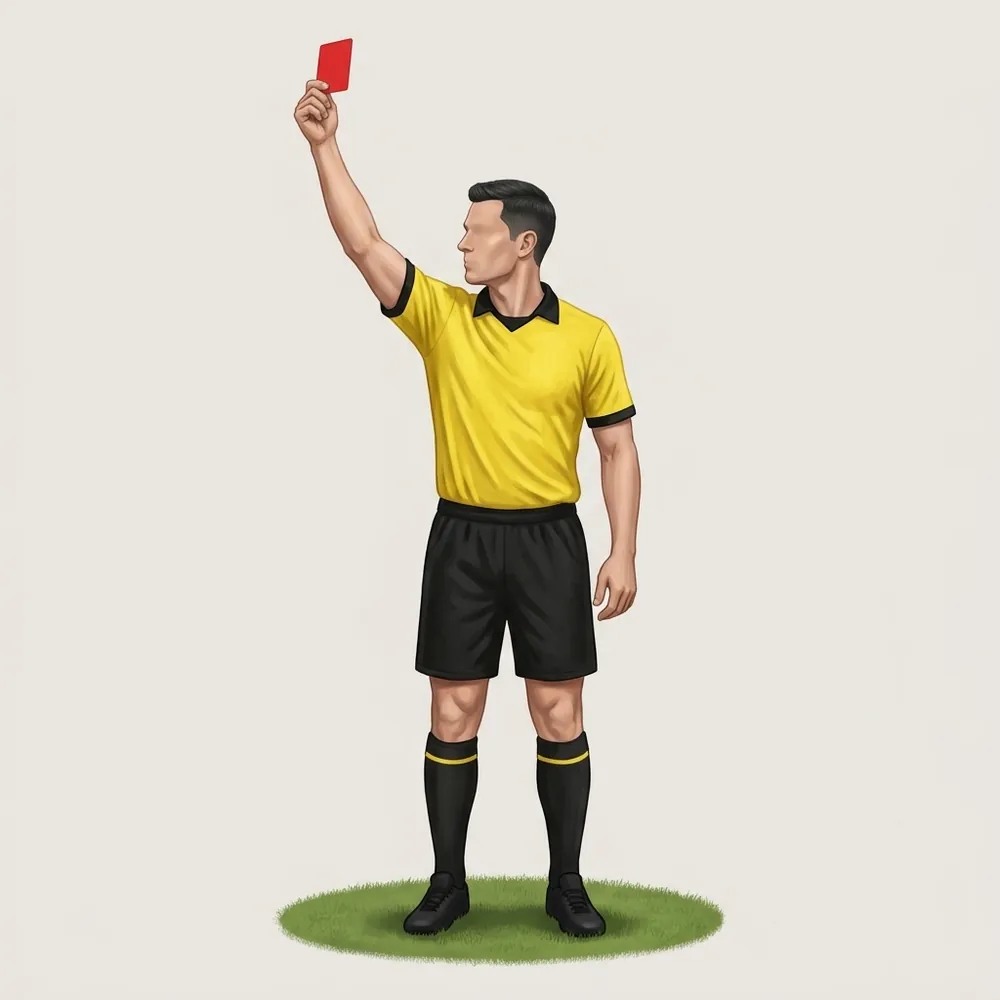
Sending-offReferee 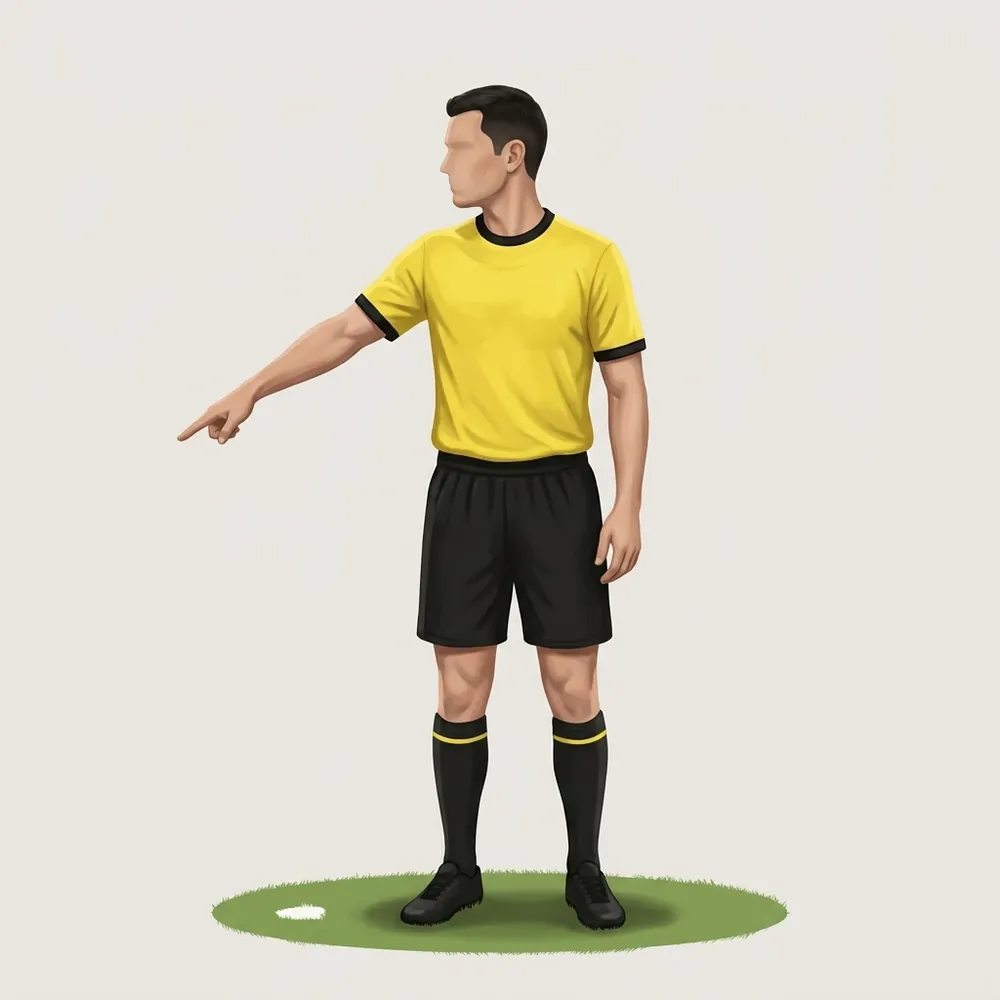
Penalty kickReferee 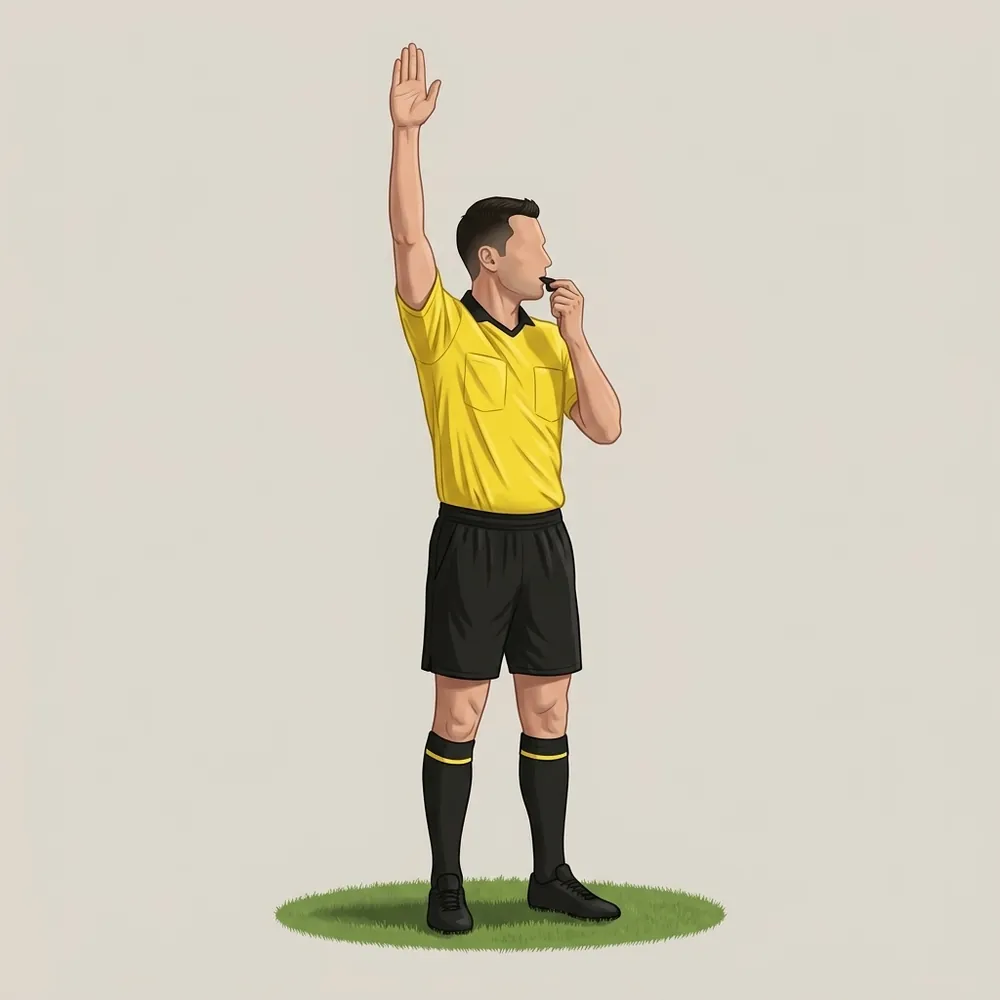
Indirect free kickReferee 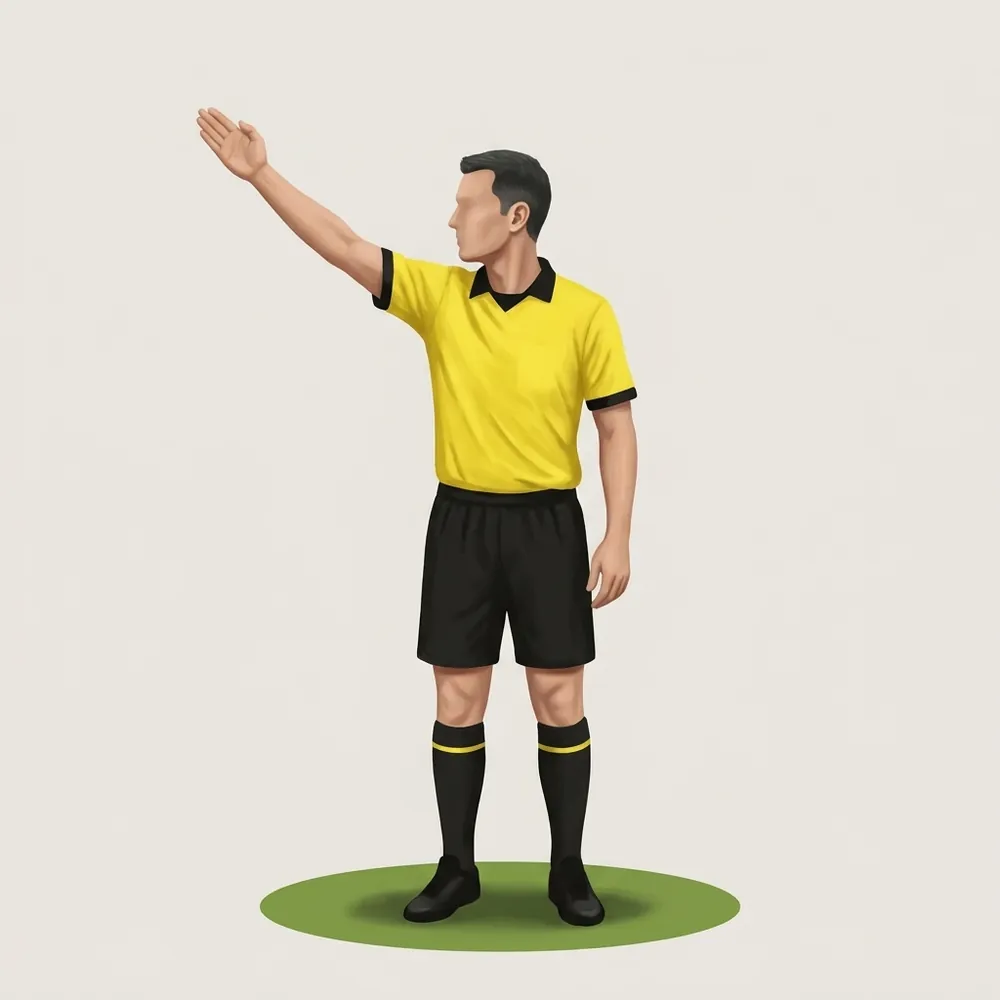
Corner kickReferee OffsideAssistant referee 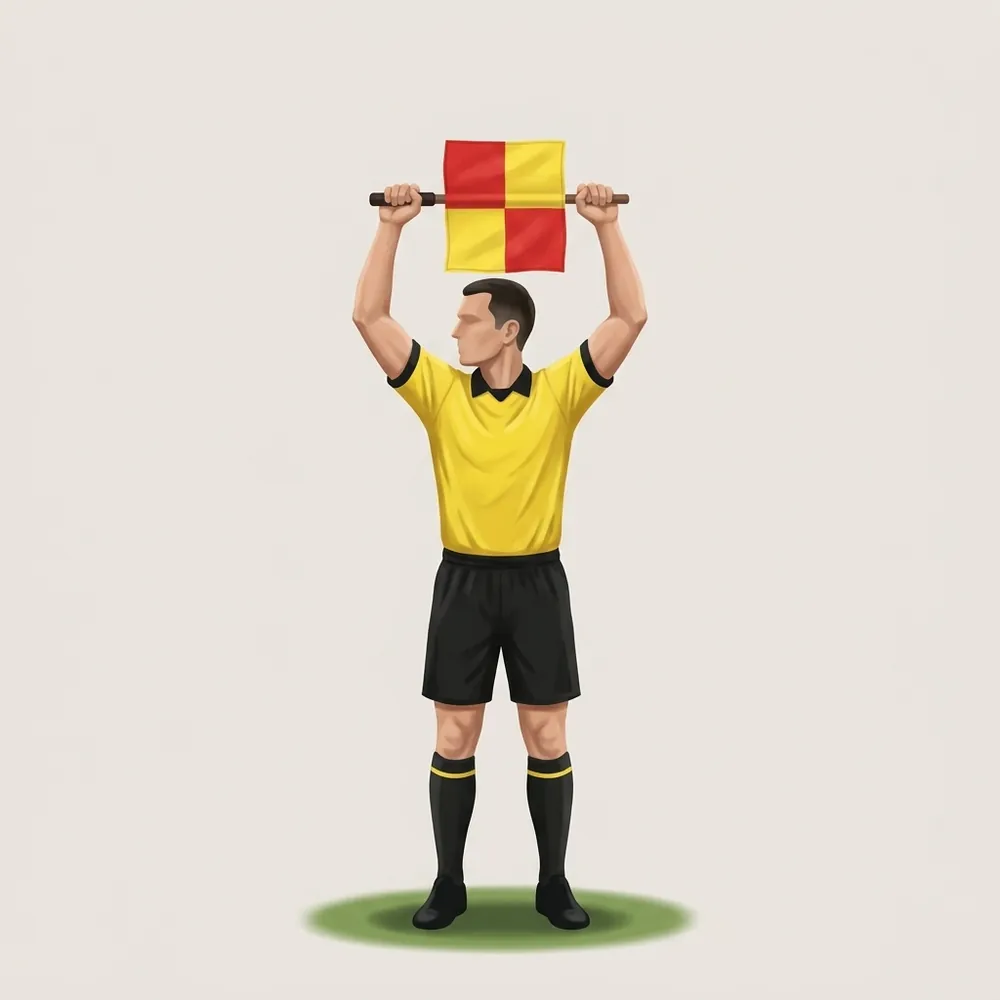
SubstitutionAssistant referee
The Referee’s Eye
A daily Flag or No Flag on an offside moment, then where you would stand to see it, played out after each call. It is the one thing in Referee HQ that earns XP, once a day.
The whistle
When to blow it, and three ways of blowing it you can hear on the phone, with a twelve-moment “Whistle or not?”.
Mechanics Lab
Where the referee and the lead assistant stand at eight restarts and in open play, taken from the IFAB’s positioning guidance. An area, never a made-up spot.
Running the game
Advantage, injuries, cards for coaches, working with the assistants’ flags, and what to do when you get one wrong, each with a “What would you do?”.
Before the game
A pre-game checklist from Laws 1, 4 and 5, and which shirt to wear so you stand apart from both teams.
Match day
The referee’s watch on the phone, with time lost added back the way Law 7 says, and a game card for cautions and goals by shirt number. The card stays on that phone and is never sent anywhere; at full time it fills in the game log for you. A lightning hold stops the watch and counts the thirty minutes from the last thunder.
It starts with a coin toss on the Coach Spatrian coin. Press it: the team that wins the toss picks which goal to attack or takes the kick-off, as Law 8 says.
If a match needs a misconduct report, the helper writes it on the phone for you to copy into the league’s own form. Spatrian never sends or keeps it.
- Goal · Blue #1024′
- Caution · White #731′
- Substitution · White #14 for #935′
An example match on the watch.
Press the coin to toss it.
The Coach Spatrian coin, in gold. Silver, bronze and bimetal are in the app.
Every game, and the season in money
The game log
The day, your role, the age group, the level, the minutes and the league, plus what the game paid. A game you rate also counts as training load, so a Saturday of three games shows up in the week.
The season in money
What the season paid against what the license, the kit and the travel cost, as you wrote it, with a spreadsheet to keep.
The referee course
Fifteen units of four lessons, mostly on the move: the Laws, signals, positioning, the whistle, running the game and referee fitness, ending with you refereeing a small-sided game on Match Day. Every lesson names the Law or source it comes from, and it is open to every player. See the units.
For a homeschool family
A parent can send a game to the PE record as a proposal; the ledger’s own confirm is still the only way hours are written. The year’s games go on the portfolio, and the course is PE-250 Sports Officiating, a half credit on the transcript the family keeps.
Fourteen badges come from your own record, from First Whistle and Running the Line to Lawbook and a Thirty-Day Eye. They earn no XP and show only here.
- First WhistleWrite down your first game
- Running the LineWork a game as an assistant
- LawbookA question on all 17 Laws
- Offside ExpertEvery Law 11 question right
- Seven-Day EyeThe Referee’s Eye, seven days running
An example shelf, part-way through a first season.
A résumé, and notes of thanks
Looking for games in another league or a tournament? The résumé puts the license, any training (SafeSport, a background check, a concussion course), every season’s games and the leagues they were for on one printed page. It says at the top that the referee wrote it, and never shows what a game paid. Under 16 it gives a parent’s email; from 16 the player can save it themselves if a parent allows it.
After a game, the referee can share a link or a QR code with the people who were there. A parent, a coach or a player taps what the referee did well and can add a short note. Nothing about them is kept, the link never shows the referee’s name, and a parent reads every note before the referee sees it. A few can be quoted on the résumé, marked as left through a link.
You kept a hot game calm and explained every call.Read by a parent first
An example note, and the résumé’s shape.
When a game turns ugly
Abuse from the sideline is the main reason young referees quit. Referee HQ has a plain page on what to do and who to tell, and a “something happened at this game” flag. Flagging a game puts a line on a parent’s bell, with no detail, until they mark it talked about.
Spatrian is not the league. It assigns no games, pays no referees, takes no misconduct reports and issues no license: the assignors and the state referee committee do. It stores nothing about anyone else in the match.
Typed, and said to be. Every game and figure is what the referee wrote. None of it goes on the Player Card, the verified profile or the athletic résumé, and nobody is ranked.
Questions about Referee HQ
U.S. Soccer’s entry Referee license is open from 13. Some states start at 14, or give referees under 14 recreational games only, and the rules on paying a referee under 14 vary. Your state referee committee has the answer for where you live, and Referee HQ links you to it.
No. The license comes from U.S. Soccer and your state referee committee, and games come from a league’s assignor. Referee HQ helps you get there, practise, and keep a record of the games you work.
Yes. A parent sees the same Referee HQ, hears about a game their child flagged, and reads every note of thanks first. Under 16 a parent saves the résumé; from 16 the player can, if a parent allows it, and the parent is emailed when they do.
Writing a game down writes no hours. In a homeschool family a parent can send a game to the PE record as a proposal, which the ledger confirms like any other session. Only the daily Referee’s Eye earns XP; the practice games, the badges and the log pay nothing.
No. Shirt numbers stay on the phone for the match in progress and are cleared at full time. The game log keeps the result without them, and a misconduct report is written on the phone for you to copy into the league’s own form.

For the Player with a Whistle in the Kit Bag
Referee HQ is in the player’s own sign-in, beside their training. Each part of Spatrian works on its own; connect them only if you want to.