The Heart of the Game: Distinguishing Coaching Intentions in Youth Soccer
Youth soccer is more than just a game; it's a crucible where young athletes learn teamwork, discipline, resilience, and a lifelong love for physical activity. At the heart of this experience lies the coach – a figure who can inspire, guide, and shape not just players, but young individuals. Yet, not all coaching motivations are created equal.
A critical challenge in youth sports, particularly in volunteer-driven leagues, is discerning between a coach genuinely dedicated to the holistic development of all kids and the game itself, versus a parent-coach primarily focused on making their own child the team's undisputed star. Understanding this distinction is vital for parents, athletic directors, and the health of the sport.
Key Takeaways
- Child-Centric Coaching: Prioritizes skill development, sportsmanship, equal opportunity, and fostering a love for the game for every player on the team.
- Parent-Coach Bias: Can lead to unequal playing time, favoritism, negative team dynamics, and excessive pressure on the "star" child.
- Signs to Watch For: Observe communication, practice structure, game day decisions, and post-game feedback to assess a coach's true priorities.
- Building a Positive Environment: Clear club policies, coach education, and open communication are crucial for supporting child-centric coaching.
- Holistic Development: True success in youth soccer extends beyond individual accolades to overall physical, mental, and social growth.
The True Spirit of Youth Soccer Coaching: A Noble Calling
A good youth soccer coach is a mentor, an educator, and a passionate advocate for the game's intrinsic values. Their presence on the field is driven by a desire to contribute positively to every child's journey, irrespective of their current skill level or potential.
Prioritizing Player Development Over Personal Glory
A coach focused on the kids understands that success isn't solely measured by wins and losses, especially at younger ages. Their primary goal is to:
- Teach Fundamental Skills: Ensuring every player learns proper techniques for dribbling, passing, shooting, and defensive play.
- Promote Tactical Understanding: Introducing age-appropriate strategies and game intelligence.
- Encourage Effort and Improvement: Celebrating personal bests and growth, not just comparing players.
- Develop Life Skills: Instilling values like teamwork, respect, discipline, perseverance, and handling both victory and defeat gracefully.
Fostering a Love for the Game
The best coaches ignite a passion for soccer that lasts a lifetime. They achieve this by:
- Making Practices Fun and Engaging: Incorporating games and drills that are enjoyable and challenging without being overwhelming.
- Creating a Positive Learning Environment: Where mistakes are seen as opportunities for growth, not failures.
- Emphasizing Sportsmanship: Teaching fair play, respect for opponents, referees, and teammates.
- Allowing for Creativity and Expression: Giving players the freedom to try new things and develop their unique playing style.
Creating an Inclusive and Positive Environment
Every child on the team should feel valued, included, and have a sense of belonging. A good coach ensures:
- Equal Opportunities: Providing comparable playing time and chances to play different positions, allowing all players to experience various aspects of the game.
- Positive Reinforcement: Focusing on what players do well and offering constructive feedback for improvement.
- Strong Team Cohesion: Building a supportive atmosphere where teammates cheer each other on and work together.
- Open Communication: Being approachable and transparent with players and parents about expectations, roles, and development.
The Parent-Coach Dilemma: When Ambition Overshadows Development
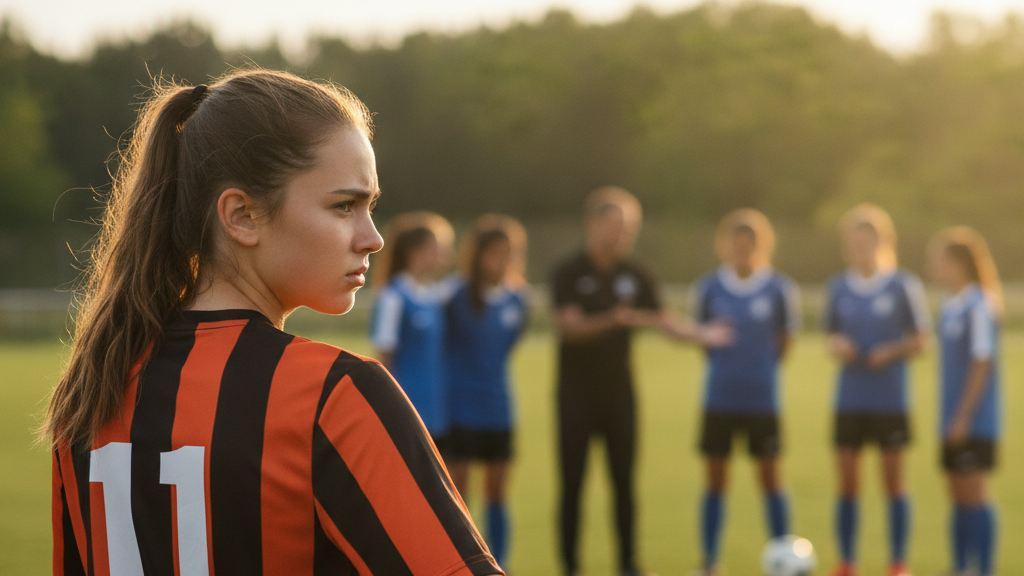
While many parent-coaches are selfless and dedicated, the unique dynamic of coaching one's own child can sometimes lead to unintended biases or, in worse cases, a deliberate focus on promoting their child above all others. This "star parent" coach often, consciously or unconsciously, lets personal ambition for their child's success overshadow the broader team's needs and the development of other players.
Unequal Playing Time and Opportunities
This is often the most visible sign. The "star" child might consistently play more minutes, receive preferential positioning, or be given more opportunities to take penalty kicks or free throws, even if other players are equally or more deserving. This imbalance can lead to:
- Frustration and Disengagement: Other players feel overlooked and undervalued, diminishing their enjoyment and motivation.
- Stunted Development: Less playing time means fewer chances to practice skills in a game setting, hindering the growth of the majority of the team.
- Resentment: Teammates may resent the perceived favoritism, eroding team spirit.
The Impact on Team Dynamics and Morale
When a coach prioritizes their child, it can fracture the team.
- Clique Formation: The "star" child might inadvertently become isolated or seen as "the coach's favorite," creating social divides.
- Lack of Trust: Players may lose trust in the coach's fairness, leading to reduced effort and communication.
- Overall Morale Drop: A team where only a few are consistently highlighted or given opportunities rarely performs as a cohesive unit.
Pressure on the "Star" Child and Teammates
Ironically, the "star" child themselves can suffer. They may experience immense pressure to perform, fear disappointing their parent-coach, and miss out on the joy of simply playing. Teammates, on the other hand, might feel pressure to feed the "star" child the ball or defer to them, stifling their own initiative and creativity.
Spotting the Difference: Signs to Look For
For parents, athletic directors, and program managers, identifying the type of coach leading a team is crucial. Here are some indicators:
Communication Styles and Focus
- Child-Centric Coach: Communicates with all players, offering specific feedback to each. Discusses team goals and individual roles. Engages parents about their child's overall development and team progress.
- "Star Parent" Coach: Frequently directs instructions, praise, or criticism disproportionately towards their own child. Conversations with other parents might be superficial or focused on their child's performance.
Practice Structure and Drills
- Child-Centric Coach: Designs drills that involve all players equally, rotating positions and responsibilities. Focuses on fundamental skill development for the entire team. Encourages experimentation and learning from mistakes for everyone.
- "Star Parent" Coach: Drills might subtly (or overtly) favor their child's position or strengths. Their child might receive more individual attention or demonstrations. Other players might feel like supporting cast in drills designed to highlight one individual.
Game Day Decisions
- Child-Centric Coach: Implements fair rotation for playing time and positions. Substitutes players based on strategy, effort, and giving everyone an opportunity. Celebrates team successes and constructive feedback is given to the entire team.
- "Star Parent" Coach: Their child consistently starts, plays full games, and is rarely substituted, even when underperforming. Key plays (e.g., free kicks, corners) are almost always designated for their child. Game feedback might be heavily skewed towards their child's performance.
Post-Game Reflection and Feedback
- Child-Centric Coach: Discusses team performance, highlights collective effort, and gives balanced feedback to all players. Focuses on learning from the game, win or lose.
- "Star Parent" Coach: Post-game discussions might center on their child's individual statistics or perceived errors by teammates that affected their child's performance.
Building a Better Youth Soccer Ecosystem
Creating an environment where child-centric coaching thrives requires a concerted effort from clubs, leagues, and parents.
Clear Club Policies and Coach Education
- Mandatory Training: Clubs should provide comprehensive coach training that emphasizes player development philosophy, sports psychology, and conflict resolution, especially for parent-coaches.
- Code of Conduct: Implement and enforce a clear code of conduct for coaches, players, and parents that explicitly addresses favoritism and promotes sportsmanship.
- Rotation Policies: Establish clear guidelines for playing time and position rotation, particularly at younger age groups, to ensure equitable development opportunities.
Encouraging Open Communication
- Parent-Coach Meetings: Facilitate regular, structured meetings where coaches can communicate their philosophy and parents can ask questions in a constructive environment.
- Feedback Mechanisms: Create anonymous feedback channels for parents to voice concerns about coaching practices without fear of reprisal.
- Athletic Director Oversight: Athletic directors and program managers should actively observe practices and games, and conduct regular check-ins with coaches and parents.
The Role of Athletic Directors and Program Managers
These leaders are crucial in setting the tone and ensuring compliance. They must:
- Vet Coaches Thoroughly: Beyond background checks, inquire about coaching philosophy and experience with youth development.
- Provide Ongoing Support: Offer resources, mentorship, and opportunities for continuing education for all coaches.
- Address Concerns Promptly: Investigate and address any complaints regarding favoritism or unfair treatment impartially and effectively.
Beyond the Field: Integrating Holistic Development
The principles of good coaching align perfectly with the broader goals of youth athletic development and state-level physical education requirements across All. Whether a child participates in a club team, a high school co-op program, or is homeschooled with structured physical activity, the aim is always holistic growth. A good coach contributes significantly to a child's physical literacy, emotional intelligence, and social skills – all foundational elements of comprehensive PE.
At Spatrian, we understand that tracking and supporting this multifaceted development is key. From managing complex travel team schedules to ensuring compliance with athletic participation guidelines, our platform is designed to help programs, coaches, and parents foster environments where every child can thrive, not just one.
Foster a Future of Fair Play and Development
The distinction between a coach truly there for the kids and the love of the game, versus one focused on their own child's stardom, is profound. By understanding these differences, parents, club officials, and athletic directors can work together to cultivate youth soccer environments that prioritize the well-being and comprehensive development of every single player. Let's champion coaches who build character, foster passion, and ensure that every child gets their moment to shine.
Ready to streamline your athletic program management and ensure every player's development is tracked and supported?